PrEP, Condoms and HIV Prevention: Choosing a Plan That Fits Your Life
Prevention is not one perfect behaviour. It is a set of options you can combine around your relationships, body, work, privacy and access to care.
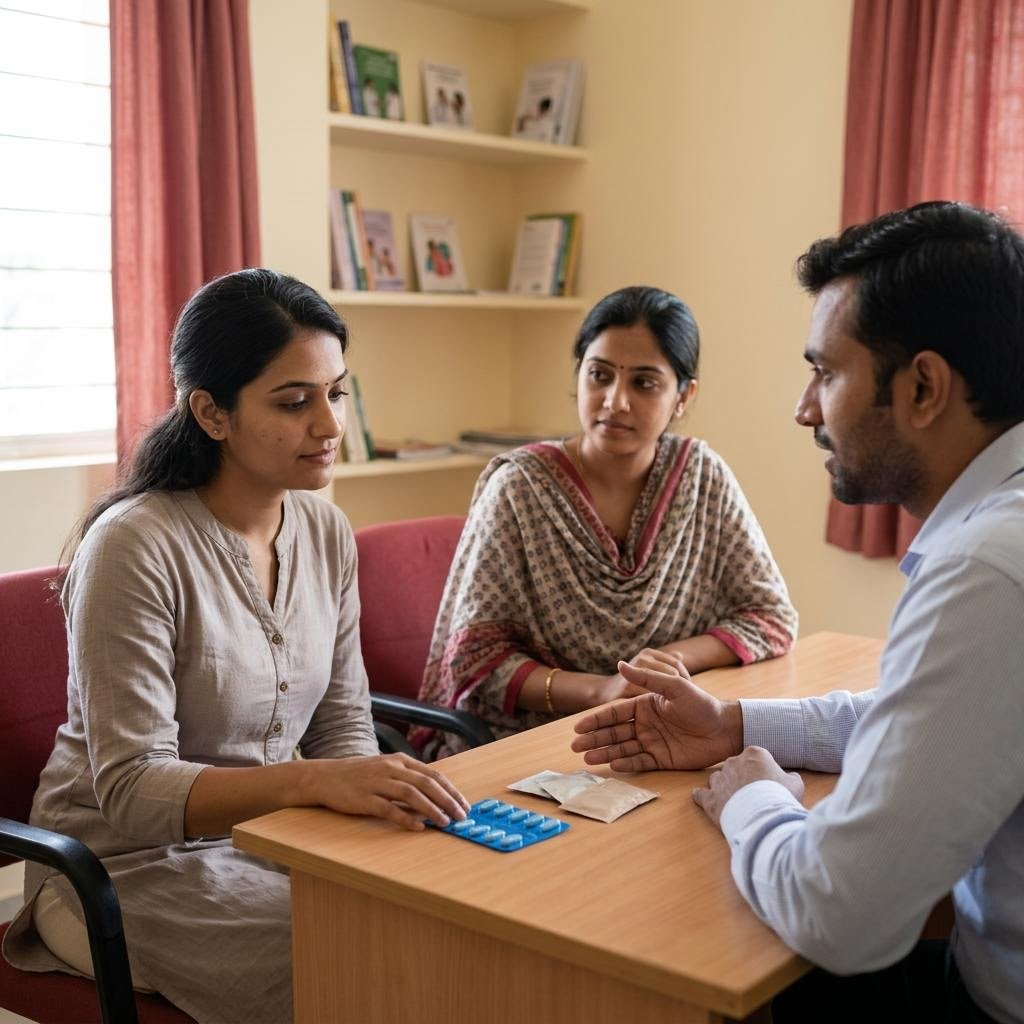
HIV prevention can include condoms, PrEP for some people without HIV who have ongoing risk, PEP after a possible exposure within 72 hours, regular testing and effective ART. The right combination depends on your exposures, health, access and preferences. PrEP and PEP require clinical assessment, testing and follow-up.
Build an HIV prevention plan that suits you.
Tell the doctor about your situation in a few lines. You will get clear advice on condoms, PrEP, testing and what to do if a condom breaks. Online consultation fee: ₹2,000.
The prevention tools are different, not competing
Condoms reduce the chance of HIV and many other STIs when used correctly and consistently. They can also prevent pregnancy. PrEP is medicine taken by people who do not have HIV to reduce the chance of acquiring HIV when there is ongoing risk. PEP is emergency medicine after a possible exposure and must be assessed urgently, ideally within 72 hours.
Effective ART is another prevention tool. When a person living with HIV takes ART as prescribed and maintains an undetectable viral load, HIV is not sexually transmitted. This does not prevent other STIs, and it depends on confirmed, sustained viral suppression and medical follow-up.
Could PrEP be right for me?
PrEP may be considered for a person who does not have HIV and has a meaningful ongoing risk, such as a partner living with HIV whose viral suppression is unknown or inconsistent, sex without reliable barrier protection, or other circumstances identified in a consultation. A clinician first confirms HIV status and checks relevant health information before prescribing.
PrEP is not a tablet to start from a friend’s supply. The clinician discusses the medication, adherence, kidney health or other monitoring, STI testing and follow-up. Tell the clinician about pregnancy plans, hepatitis, other medicines and any symptoms. If you have had a recent possible exposure, PEP assessment may be the more urgent question.
A prevention consultation can cover
- Current and recent partners or exposure patterns
- Condom fit, use and access
- HIV and STI testing
- PrEP suitability, adherence and follow-up
- PEP if an exposure happened within 72 hours
- Vaccination and treatment-as-prevention information
Using condoms in a way that works
Check the expiry and package, open without sharp objects and use a new condom for every act of vaginal, anal or oral sex when a barrier is desired. Put it on before genital contact, leave room at the tip, smooth air out, and hold the base during withdrawal. Water- or silicone-based lubricant can reduce friction; some oil-based products can weaken latex.
A condom can break or slip despite careful use. If that happens and HIV exposure is possible, note the time and seek urgent PEP assessment. Do not wash internally, use antiseptics or rely on a later symptom. These actions do not remove HIV risk and can irritate tissue.
Testing is part of prevention
Testing helps you make decisions, but test timing matters. Ask which HIV and STI tests fit your body sites, exposure and date. A negative result taken during a window period may need repeating. A reactive HIV screening test needs confirmatory testing, and a partner’s report should not be used to make assumptions about your own status.
If you use PrEP, follow the monitoring schedule rather than taking it only when anxious. If you use PEP, complete the prescribed course and attend follow-up testing. Do not share preventive medicines; the right drug and schedule must match the person taking it.
Prevention should include dignity and consent
A prevention plan should make room for privacy, pleasure, consent and changing circumstances. You can ask about disclosure, partner testing or how to negotiate condoms without blaming anyone. If a partner pressures you, you have the right to pause sex and seek support. If there was coercion or assault, use urgent local services and trusted support.
For patients across India, online consultation may help with a non-emergency risk discussion, while local testing and emergency care remain important when an examination, sample or urgent PEP start is needed. Call or WhatsApp for guidance, but do not let a message delay time-sensitive local care.
Build a prevention plan you can actually use
Start by naming the situations in which prevention is hardest: a new partner, travel, a partner whose status is unknown, difficulty discussing condoms, a busy work schedule or concern about privacy at home. A clinician can then discuss choices that fit those situations rather than handing you a generic list. Prevention works better when it is practical and repeatable.
If you are considering PrEP, ask how HIV testing, kidney or other health checks, adherence and follow-up will work where you live. Ask what to do if you miss doses or develop symptoms. If you have hepatitis, take other medicines or may become pregnant, mention that before starting anything.
If an exposure has already happened, do not substitute a future PrEP plan for urgent PEP assessment. The first 72 hours need a different conversation. Likewise, a condom protects against many infections but cannot make an untreated symptom unimportant; testing and treatment may still be needed.
Prevention can include a partner’s ART care, your own testing, condoms, vaccination, STI treatment and honest conversations about consent. You can revisit the plan when your relationship, health, location or access changes. Asking for help is a responsible act, not an admission that you have done something wrong.
Choosing between condoms, PrEP and PEP
Think of it this way. Condoms protect during sex and also lower the risk of many other STDs and pregnancy. PrEP is a daily medicine for people without HIV who face ongoing risk; it needs an HIV test before starting and regular check-ups, including kidney tests. PEP is for emergencies only — after one possible exposure, started within 72 hours and taken for 28 days.
Many people combine tools: PrEP for regular protection and condoms for STD prevention. If your partner lives with HIV and keeps an undetectable viral load on ART, HIV is not passed on through sex. Before starting PrEP, ask how many days it takes to give good protection for your type of sex, and what to do if you miss tablets.
HIV prevention checklist
- Decide whether your concern is ongoing prevention or an urgent recent exposure.
- Use condoms and lubricant in a way that reduces breakage.
- Ask a clinician before starting PrEP and attend monitoring.
- Seek PEP assessment as soon as possible within 72 hours.
- Include HIV, STI testing and vaccination in the prevention conversation.
PrEP and condoms: quick answers
Is PrEP the same as PEP?
No. PrEP is planned prevention for some people without HIV who have ongoing risk. PEP is emergency prevention after a possible exposure.
Can PrEP replace condoms?
PrEP helps prevent HIV when used as prescribed, but it does not prevent other STIs or pregnancy. Condoms may still be useful.
What should I do if a condom breaks?
Record when it happened and seek urgent clinical assessment if HIV exposure is possible. PEP should be assessed as soon as possible and within 72 hours when appropriate.
Medical information, not a diagnosis. This guide compares prevention options in general. PrEP and PEP are prescription medicines and need testing and follow-up; do not start them from someone else’s supply. If a condom broke or slipped in the last 72 hours, seek PEP assessment now.