Opportunistic Infection Management With Specialist HIV Guidance
Opportunistic infections can be more frequent or more severe when the immune system is weakened. Dr. Yuvraj Arora Monga provides confidential assessment, prevention guidance, treatment review and follow-up for people living with HIV.
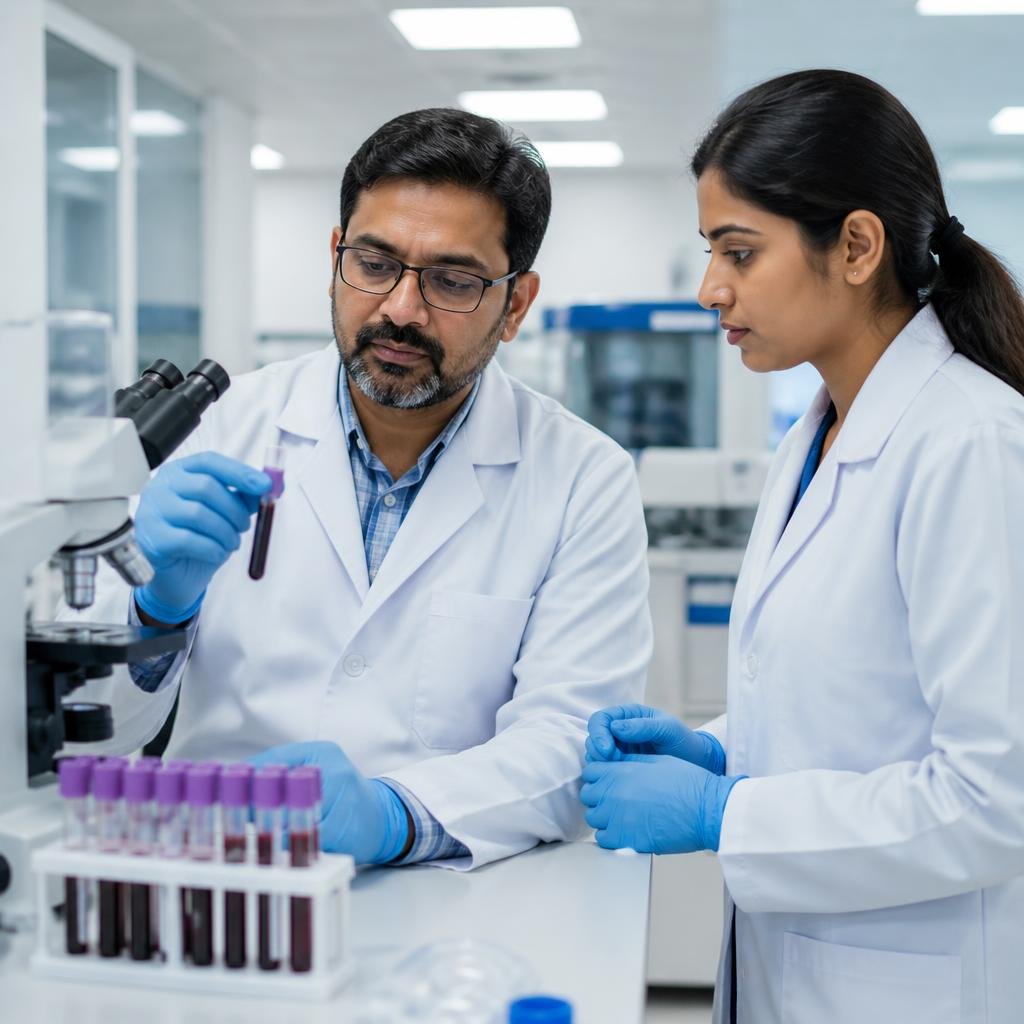 Private, physician-led care.
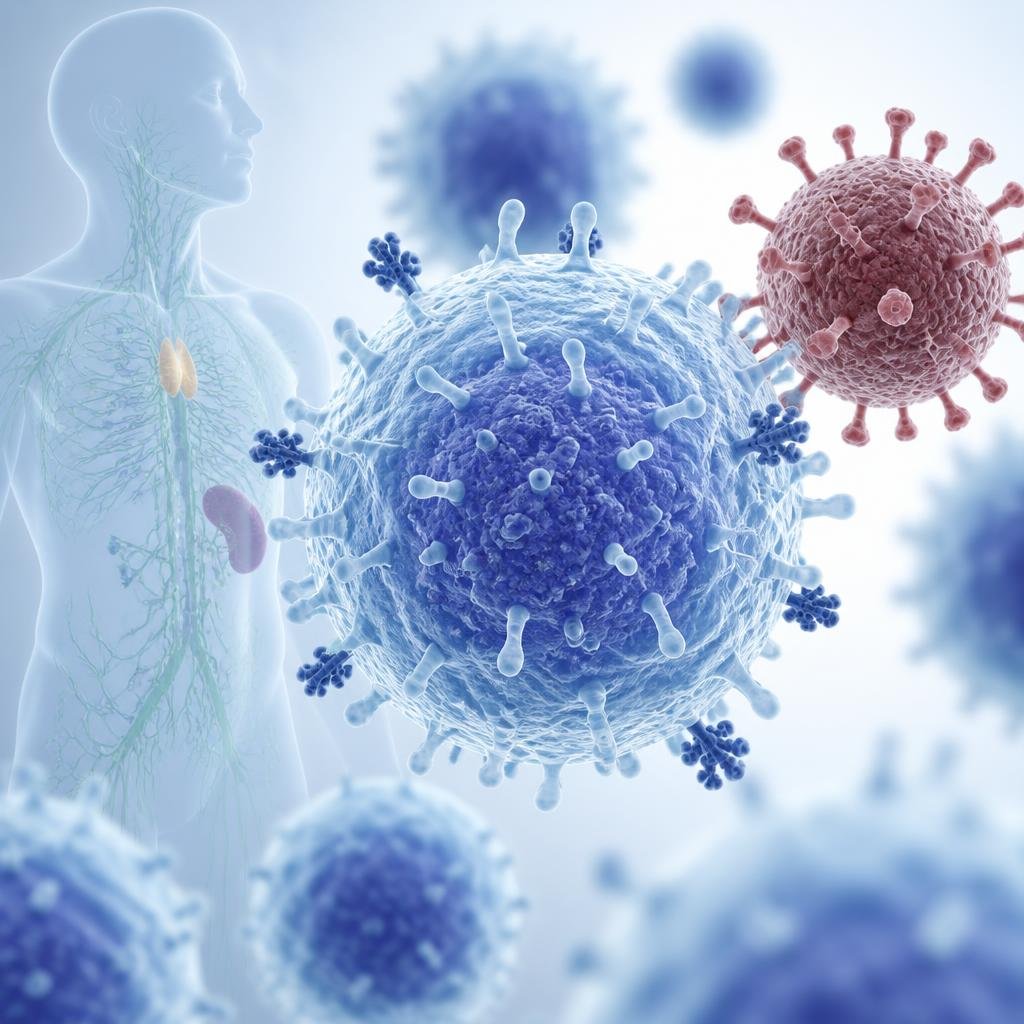 01 / HIV-related infection care
Infections that take advantage of weakened immune defences
Opportunistic infections, or OIs, are infections that occur more often or become more severe in people with weakened immune systems. They may be caused by viruses, bacteria, fungi or parasites and can spread through air, body fluids, food or water. In people with HIV, common examples include candidiasis, tuberculosis, pneumonia, Salmonella infection and toxoplasmosis.
- OIs can affect people with HIV, cancer or other weakened immune systems
- Some infections may already be inactive and become active as immunity falls
- An OI can sometimes be the first sign that a person has undiagnosed HIV
- Symptoms and treatment depend on the germ and the person’s immune health
 02 / HIV-related infection care
HIV treatment helps protect the immune system
After HIV enters the body, it can multiply and damage immune defences if it is not effectively controlled. A weaker immune system has more difficulty fighting germs that a healthy immune system would usually control. Taking HIV medicines exactly as prescribed and attending regular follow-up appointments are important parts of reducing this risk.
- Untreated HIV can gradually weaken the immune system
- A person may not know they have HIV and may not be receiving treatment
- Treatment may be interrupted, missed or not controlling HIV effectively
- CD4 count and viral load help the doctor understand treatment response
 03 / HIV-related infection care
How people living with HIV can reduce OI risk
HIV medicines are the foundation of OI prevention. Everyday choices also matter: reduce contact with germs, take care with food and water, ask about vaccines and discuss travel plans before leaving India or visiting areas where certain infections are more common.
- Take HIV medicines exactly as prescribed and keep follow-up appointments
- Use condoms to reduce sexually transmitted infections and never share injection equipment
- Wash hands carefully after contact with human or animal faeces
- Avoid undercooked eggs, unpasteurised products, raw sprouts and unsafe water
- Ask about vaccines and medicines before travel
- Discuss individual prevention advice with a qualified doctor
 04 / HIV-related infection care
Can opportunistic infections be treated?
Many OIs can be treated with antiviral, antibiotic, antifungal or antiparasitic medicines. The doctor must identify the likely cause and consider HIV medicines, diabetes, kidney disease and other factors before prescribing. Some medicines can interact with each other, so do not self-medicate or share leftover antibiotics.
- Treatment is selected according to the germ and clinical findings
- Possible interactions with ART and other medicines are reviewed
- Follow-up checks response, side effects and signs of recurrence
- Some people need continuing medicine to prevent an infection returning
 05 / HIV-related infection care
How Dr. Monga can help with OI concerns
Dr. Monga can help you organise symptoms, HIV treatment history and available reports into a practical next-step plan. Depending on your concern, this may include an online report review, an in-person examination, tests, treatment coordination or referral for urgent local care.
- Confidential symptom and infection-risk assessment
- CD4, viral-load and report discussion
- Review of HIV medicines and possible interactions
- Prevention, vaccination and travel guidance
- Structured follow-up after treatment
You can ask the direct question.
General information can help you prepare. Your clinician will assess your individual situation.
Care that meets you where you are.
Another kind of question may need a different starting point.
Get a clear plan for infection prevention and care.
Call or WhatsApp Dr. Monga for confidential opportunistic infection guidance, report review and HIV follow-up.