MBBS · Government Medical College, Amritsar
Government Medical College, Amritsar, Punjab, India. Completed 1997–1998.
When a health concern feels difficult to say out loud, the first step should feel safe. Dr. Yuvraj Arora Monga provides clear, confidential guidance for HIV, AIDS, STD, PEP, PrEP, ART and infectious disease concerns.
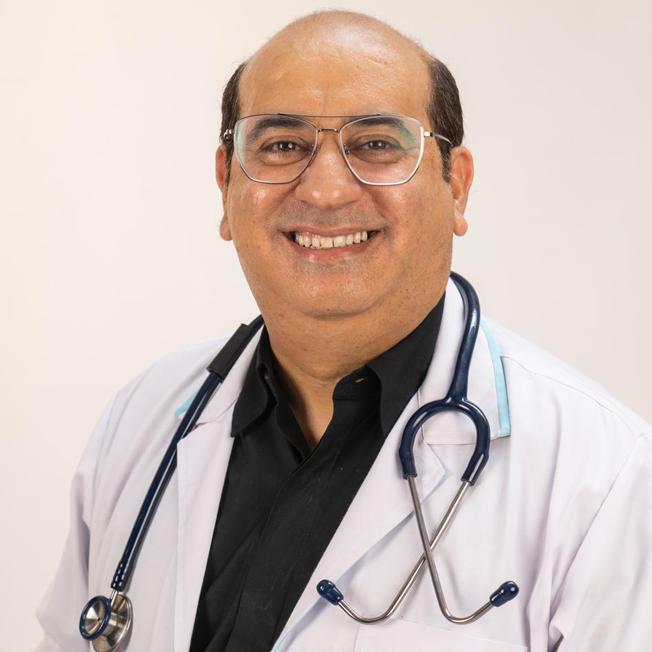
Dr. Yuvraj Arora Monga is the Chief Consultant Physician & CEO of Dr. Monga Medi Clinic. His work is focused on helping people understand HIV, AIDS, STD and infectious disease concerns with accuracy, patience and dignity.
Many people arrive with fear: fear of a test result, fear of being judged, or fear that a private question will not be treated respectfully. A consultation can replace uncertainty with a clear medical plan. Dr. Monga takes time to understand your concern, explain what is known, and outline what should happen next.
His clinical experience includes HIV prevention, PEP after a possible exposure, PrEP guidance, HIV testing and counselling, STD treatment, ART questions, infectious disease treatment planning and longer-term support. The aim is not to overwhelm you with terminology. It is to help you make informed decisions at a pace that feels manageable.
Dr. Monga is fluent in English and Hindi. Patients looking for an HIV specialist, STD treatment guidance or an infectious disease consultation can begin from anywhere in India by calling or sending a private WhatsApp enquiry. Please do not share highly sensitive details in a public comment or social media message.

A medical profile should make it easy to understand a doctor’s training, professional memberships and experience. Here are Dr. Monga’s qualifications and registrations as provided by the clinic. His MBBS, MD in Pharmacology, Infectious Disease Fellowship and medical registration support patients who are comparing an HIV specialist or STD treatment doctor in India.

Government Medical College, Amritsar, Punjab, India. Completed 1997–1998.
Dayanand Medical College & Hospital / Maharshi Dayanand University, Rohtak. Completed 2004–2005.
Completed via Medvarsity in association with the School of Public Health & Community Medicine, University of New South Wales, Australia, in 2021.
Apollo Medvarsity, Liverpool, UK, completed in 2019. Also holds a PGDBA in Marketing.
Medical Registration Number 30514 with the Punjab Medical Council since 1998.
Indian Pharmacological Society; Asia Pacific Society of Critical Care (ACCP); Indian Society of Critical Care Medicine (ISCCM).
Clinical confidence comes from sustained practice, continued learning and the ability to meet each patient as an individual. Dr. Monga has provided continuous clinical care for more than 28 years.
Medical education in Punjab, forming the foundation for a long-term clinical practice.
Early years of continuous clinical work, listening to patients and building practical experience across common and complex concerns.
Advanced study at Dayanand Medical College & Hospital / Maharshi Dayanand University, Rohtak.
Ongoing clinical practice as Chief Consultant Physician, with a focus on careful explanation, treatment planning and follow-through.
Fellowship in Diabetes via Apollo Medvarsity, Liverpool, UK, in 2019, followed by Fellowship in Infectious Disease in 2021.
You can ask for help before you know exactly what you need. These are the key areas in which Dr. Monga provides specialist guidance for patients seeking HIV testing, PEP, PrEP, ART, STD treatment and confidential sexual health counselling.

For sensitive health questions, medical skill and human care need to work together. A reassuring consultation is not about making promises. It is about making the facts understandable.

HIV and STD information can feel confusing online. Dr. Monga helps separate a symptom, a possibility and a confirmed diagnosis so you can respond thoughtfully.
Your concern is personal. The conversation is designed to be discreet, and you are encouraged to share only the information needed to guide your care.
Some concerns, including possible recent exposure, need prompt medical attention. Calling early can help you understand what options may still be relevant.
If you think you may have had a recent exposure, or have severe symptoms, seek medical advice promptly. Do not wait for symptoms to appear before asking whether testing or urgent care is appropriate.

HIV and sexually transmitted infections do not always cause obvious symptoms. Some people may notice fever, sore throat, rash, swollen glands, unusual discharge, burning while urinating, sores, blisters, itching or pain. These signs can also happen with conditions that are not HIV or an STD. This is why guessing from symptoms alone can increase worry rather than provide an answer.
Testing is the reliable way to understand what is happening. The right test and timing depend on the concern, the possible exposure and your health history. A doctor can explain the window period in plain language and help you decide when follow-up is useful.
There is no benefit in blaming yourself or another person. Health concerns happen, and early medical guidance can make the next step clearer. If you are worried, contact the clinic rather than relying on frightening online stories or trying medicines without advice.
01 · Send an enquiry. Tell the clinic your name, phone number and broad concern. You do not have to explain everything in your first message.
02 · Choose the next conversation. The team can help with appointment information, or you can call if your concern needs faster attention.
03 · Discuss your care. Dr. Monga will listen, ask relevant questions, explain the options and guide you toward appropriate testing or treatment.
04 · Continue with clarity. If follow-up is needed, you leave knowing what to watch for and when to reconnect. The process is designed to feel orderly, not overwhelming.
Sensitive care is often remembered in small details: being heard, having the facts explained and leaving with less fear than you arrived with.
“I was very anxious before asking my question. The explanation was calm and straightforward, and I knew what I needed to do next.”
“The consultation made a difficult subject easier to discuss. I appreciated being spoken to respectfully and in simple language.”
“I did not feel judged. I was able to ask about testing and understand why timing matters.”
These answers cover the questions patients commonly ask before contacting an HIV specialist, STD treatment doctor or infectious disease clinic. If your question is not here, you are welcome to ask it directly and privately.